
Who Should NOT Do EMS Training? (Important Safety Guide)
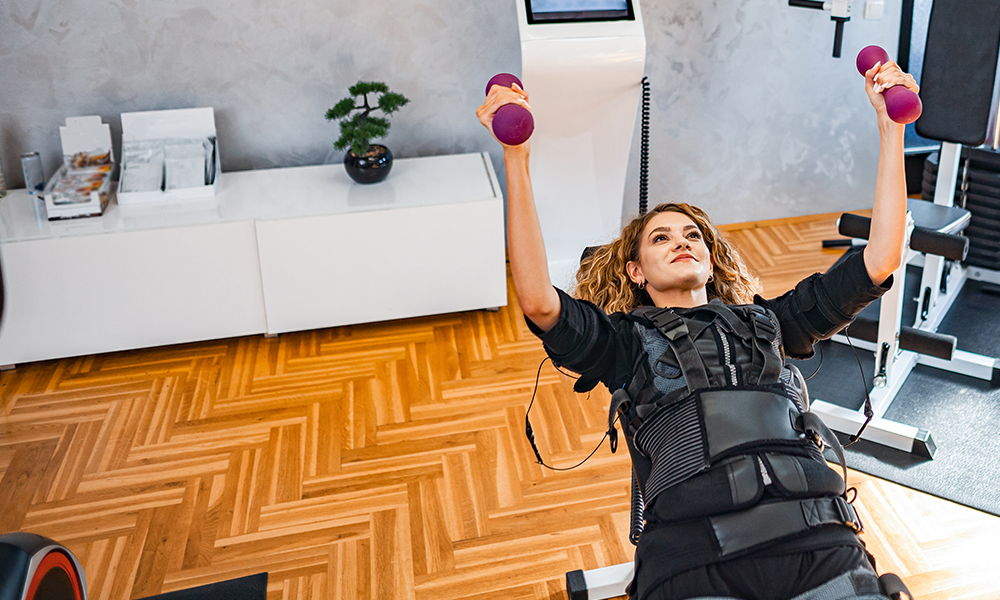
We love EMS training and see fantastic results from it.
But here is something important:
EMS is not suitable for absolutely everyone.
Any responsible studio should be clear about this.
Electrical Muscle Stimulation is a powerful training method, and part of being safe is knowing when not to use it.
So here is a clear, honest guide.
First - reassurance
For most healthy adults, EMS is very safe when supervised properly.
However, certain medical situations mean we either need GP approval first or we avoid EMS entirely.
This isn’t because EMS is dangerous.
It’s because safety always comes before training.
You should NOT do EMS training if you have:
1. A pacemaker or implanted electrical device
This is the most important contraindication.
EMS uses electrical impulses and may interfere with implanted electronic medical devices.
This includes:
• pacemakers
• defibrillators
• neurostimulators
• certain implanted monitoring devices
If you have one, EMS is not appropriate.
2. Pregnancy
We do not provide EMS during pregnancy.
There is no evidence of harm, but there also isn’t enough research to confidently recommend it. During pregnancy we always choose caution.
Gentle movement and appropriate exercise are encouraged, just not EMS.
3. Certain neurological conditions
Conditions affecting nerve signalling or sensation may alter how the body responds to electrical stimulation.
If you have a neurological condition, we would ask you to speak with your doctor before considering EMS.
4. Acute illness, infection or fever
If your body is fighting something, it needs energy for recovery.
Training, of any type, is not appropriate at this time.
You should wait until you are recovered before attending a session.
5. Uncontrolled heart conditions
If you have a heart condition that is not medically stabilised, we require medical approval first.
This is simply sensible exercise practice.
Situations where we may need GP approval first
We will ask you to check with your GP if you have:
- recent surgery
• hernia
• diabetes complications
• epilepsy
• significant circulatory disorders
• chronic inflammatory conditions
This is not a rejection, it’s responsible coaching.
We are happy to provide information your GP may want.
What about joint pain or previous injuries?
In many cases EMS can actually be helpful here because movements are slow and low impact.
Many people come to EMS specifically because:
• gyms aggravated injuries
• they felt unstable lifting weights
• high impact didn’t suit their joints
We simply adapt the movements.
Why we screen everyone
Before your first session we ask you to complete a health questionnaire and have a conversation.
This isn’t paperwork for the sake of it.
It allows us to:
• personalise your session
• set appropriate intensity
• ensure safety
• give you confidence
You are not just booking a workout.
You are being coached.
An important point
If a studio does not screen you before EMS training…
that should concern you.
Because the effectiveness of EMS comes from individual adjustment and safety depends on it too.
Final reassurance
We will never push you into a session if something doesn’t feel right medically.
If in doubt, we pause and check.
Your health matters more than any booking.
Not sure if EMS is suitable for you?
You’re welcome to contact us and ask, even if you never book. We’re always happy to chat!